
Conversion in progress ...
Please wait while we generate your PDF
A Better Sale Starts Before You List.

Understanding the Market
Atlanta's real estate market isn't one-size-fits-all. What's happening in East Atlanta Village may look different from Kirkwood, Grant Park, or Decatur. Even homes just a few streets apart can attract different buyers and sell under different conditions.
Before choosing a listing price, it's important to understand what buyers are actually paying for homes similar to yours. That means looking beyond online estimates and reviewing recent comparable sales, active competition, property condition, and neighborhood demand.
Three things I look at when developing your selling strategy:
Recent Sales: What have comparable homes actually sold for? Their condition, features, and location help establish a realistic pricing range.
Current Competition: What other homes will buyers compare yours against? Active listings, price reductions, and days on market help us understand your competition.
Buyer Demand: How quickly are similar homes selling? Showing activity, pending sales, and buyer feedback help us evaluate demand and adjust our approach when needed.
The goal isn't simply to list at the highest possible price. It's to position your home competitively, attract qualified buyers, and negotiate terms that support your goals.
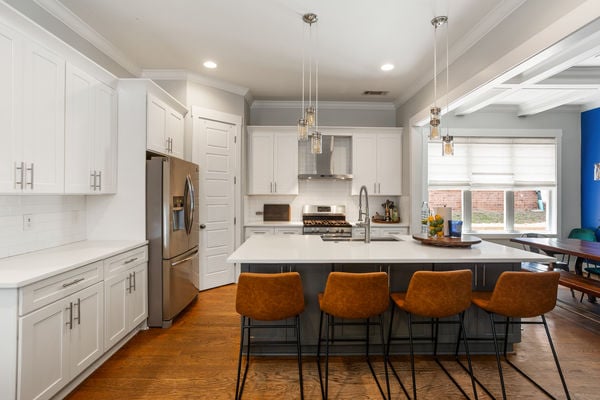
High-Impact Upgrades: Small Changes, Smart Investments
You don't always need a major renovation to make your home more appealing to buyers. Sometimes, the simplest updates—fresh paint, improved lighting, or thoughtful landscaping—can make the biggest difference in how your home is presented.
Before spending money, consider your home's condition, the competition, and what buyers in your neighborhood expect. An improvement that makes sense in one Atlanta neighborhood may not deliver the same value in another.
Start with the improvements buyers notice most:
Fresh paint: Touch up scuffed walls or refresh dated colors with a clean, cohesive palette.
Better lighting: Replace burned-out bulbs, brighten darker rooms, and update dated fixtures where appropriate.
Kitchen and bathroom details: Consider modern cabinet hardware, faucets, or other small updates rather than a full renovation.
Curb appeal: Trim landscaping, pressure wash walkways, clean the entryway, and refresh the front door.
Minor repairs: Address visible maintenance issues such as loose handles, damaged trim, or dripping faucets.
Deep cleaning and decluttering: Make every room feel well-maintained, welcoming, and easy for buyers to envision using.
Know Where to Spend—and Where to Save
Not every improvement will increase your sale price enough to justify its cost. Before replacing appliances, renovating bathrooms, or taking on expensive projects, compare your home with recently sold properties and current competition.
The goal isn't to make your home the most upgraded property on the block. It's to make smart improvements that support your pricing and marketing strategy.
A thoughtful preparation plan can help you avoid unnecessary expenses while presenting your home at its best.
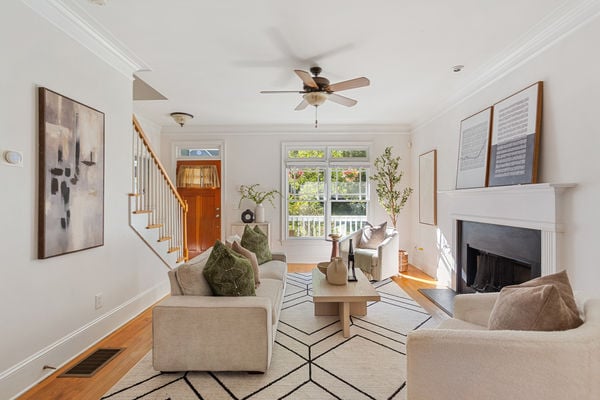
The Power of Home Staging
Staging isn't just about making a home look beautiful. It's about helping buyers understand the space, appreciate its features, and imagine how they might live there.
Whether a home is occupied or vacant, thoughtful staging can make rooms feel more inviting, improve the way they photograph, and highlight features buyers might otherwise overlook.
What Makes Staging Effective?
Decluttering: Remove excess furniture and unnecessary items so buyers can appreciate the room's size, layout, and functionality.
Creating a cohesive look: Use furniture, lighting, and accessories that complement the home without overwhelming its character.
Defining spaces: Help buyers understand how a room might function, especially in homes with open layouts, flex spaces, or unconventional floor plans.
Highlighting natural light: Open window coverings, improve lighting, and arrange furniture to make rooms feel bright and welcoming.
Thoughtful finishing touches: Fresh linens, simple accessories, and well-placed furniture can create a polished presentation.
Does Every Home Need Professional Staging?
Not necessarily. Some occupied homes benefit from rearranging existing furniture and simplifying decor. Vacant homes may benefit from staging key rooms so buyers can better understand the scale and purpose of each space.
The right approach depends on your home's layout, condition, price point, and budget.
Presentation Is Part of the Strategy
At 2356 Glynn Drive SE in East Atlanta, we focused on cleaning, selective painting, brighter lighting, and staging before bringing the home to market. The property went under contract in just eight days.
While no single improvement guarantees a particular result, this is a good example of how thoughtful preparation and presentation work together as part of a listing strategy.
The goal isn't to make your home look like everyone else's. It's to showcase what makes your property appealing to the buyers most likely to purchase it.

Beyond the Offer Price: Negotiating a Stronger Sale
Receiving an offer is exciting, but the highest price doesn't always mean the best deal. Financing, contingencies, closing timelines, and the buyer's ability to perform all play a role in determining which offer makes the most sense.
A strong negotiation strategy starts with understanding your priorities. Is your goal to maximize your net proceeds, close by a certain date, or coordinate the sale with your next home purchase? Those answers help guide how we evaluate and respond to offers.
What Matters Beyond the Purchase Price?
Financing and buyer qualifications: Is the buyer paying cash or obtaining a mortgage? What documentation supports their ability to close?
Due diligence: How much time does the buyer have to inspect the property and negotiate potential repairs?
Appraisal and financing contingencies: What happens if the property appraises below the contract price or the buyer's financing falls through?
Closing costs and concessions: Is the buyer requesting financial assistance that reduces your net proceeds?
Closing date and possession: Does the proposed timeline work with your next move?
Negotiation Doesn't End When You're Under Contract
Inspections, repair requests, appraisal results, and financing can all introduce new decisions before closing. Understanding your options and responding strategically helps keep the transaction moving while protecting your interests.
A Strategy Built Around Your Goals
Every offer deserves a careful review. Sometimes that means countering on price. Other times, adjusting a contingency, negotiating a repair credit, or changing the closing timeline may create a better overall outcome.
The goal isn't simply to accept the highest number. It's to negotiate an agreement that supports your financial goals, your timeline, and a successful closing.

Understanding Seller Expenses & Your Net Proceeds
When selling your home in Georgia, the sale price is only part of the financial picture. What matters is how much you'll walk away with after paying off your mortgage and accounting for your selling expenses.
The good news? Buyers and sellers generally have different responsibilities at closing, and many expenses are determined by the purchase agreement.
What Expenses Should Georgia Sellers Plan For?
Real estate compensation: Your listing brokerage compensation and any buyer-broker compensation you've agreed to pay. These fees are negotiable.
Mortgage and lien payoffs: Any outstanding loans or liens that must be satisfied when the property transfers. These reduce your proceeds but aren't technically selling fees.
Prorated property taxes: Your portion of the property taxes through the closing date.
Georgia real estate transfer tax: Generally a seller obligation under state law, although the purchase agreement may assign it to the buyer.
HOA or condominium expenses: Outstanding dues, applicable association fees, or other charges assigned to the seller.
Negotiated concessions: Any buyer closing-cost contributions, repair credits, or other expenses agreed upon during negotiations.
Seller-specific closing expenses: Applicable mortgage payoff processing, title-clearing costs, or fees for additional legal services.
What Does the Buyer Typically Pay?
In a typical Georgia residential transaction, the buyer pays the closing attorney's general settlement fee, title-related expenses associated with the purchase, and their mortgage-related costs.
However, the purchase agreement ultimately determines how many of these expenses are divided.
Your Net Proceeds Matter More Than the Sale Price
A higher offer doesn't always mean more money in your pocket.
For example, a $500,000 offer with $15,000 in seller concessions may leave you with less than a $495,000 offer without concessions, assuming all other expenses are equal.
That's why I recommend reviewing an estimated seller net sheet before listing and again when evaluating offers.
Know Your Numbers Before You Make Your Move
Your estimated net sheet helps you understand your potential mortgage payoff, negotiated selling expenses, applicable taxes, and projected proceeds at different sale prices.
Whether you're upsizing, relocating, or considering your next investment, knowing those numbers helps you make decisions with confidence.
The goal isn't simply a strong sale price. It's a successful sale that supports your financial goals and what comes next.
A Strong Sale Starts With a Plan
Selling your home is about more than getting it on the market. It's about making smart decisions that protect your equity and position you for whatever comes next.
From understanding your neighborhood's market to choosing the right improvements, preparing your home for buyers, and evaluating offers, every decision plays a role in your outcome.
And you don't have to figure it all out on your own.
As an Atlanta real estate agent and longtime intown resident, I help homeowners understand their options, identify where to invest their time and money, and build a selling strategy around their goals.
Thinking about selling? Let's start with your numbers.
We'll review your home's potential market value, discuss what preparation makes sense, and estimate what you could walk away with after the sale.
No pressure. Just a clear plan for your next move.